How can space planning save costs in the long term?
Expertly executed space planning is an investment that can pay for itself many times over throughout the years. Efficiently functioning, flexible, and user-responsive spaces reduce property costs, improve employee productivity, and minimize unnecessary resource waste. Well-designed space considers user group needs, supports business objectives, and adapts to changing requirements over time.
How can space planning save costs in the long term?
Quality space planning promotes cost efficiency in several ways. Space optimization reduces square footage requirements, which directly impacts rental and maintenance costs. Office energy efficiency significantly affects operating costs – smart lighting, heating, and ventilation solutions can deliver substantial savings.
Flexible space solutions adapt to business changes without expensive renovations. As organizations grow or functions change, flexible spaces adjust to needs without significant additional investments. Carefully planned office environments also support employee satisfaction and reduce staff turnover, bringing significant savings in recruitment and training costs.
Professional space planning also considers industry-specific needs. Gaming company and law firm space solutions differ considerably because work processes are different. Spaces that support an organization’s natural work methods increase efficiency and reduce unnecessary costs.
How does well-designed space affect employee productivity?
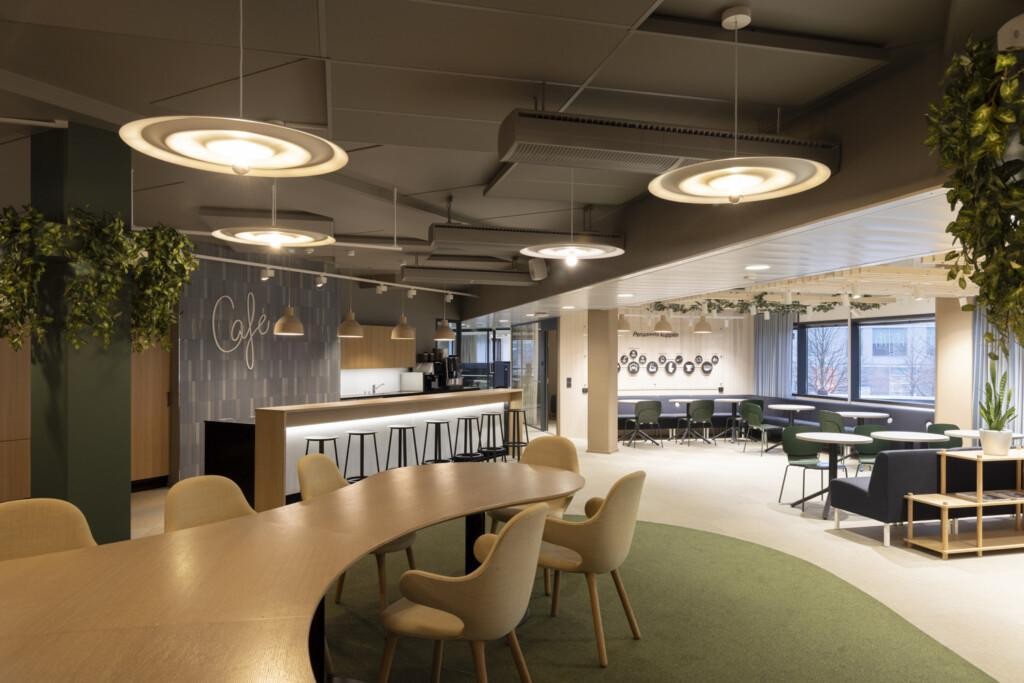
The work environment’s impact on personnel efficiency is significant. Research shows that employees in properly designed spaces are more focused, creative, and engaged. Multi-space offices with different zones for different types of work tasks enable both concentration-requiring individual work and effective teamwork.
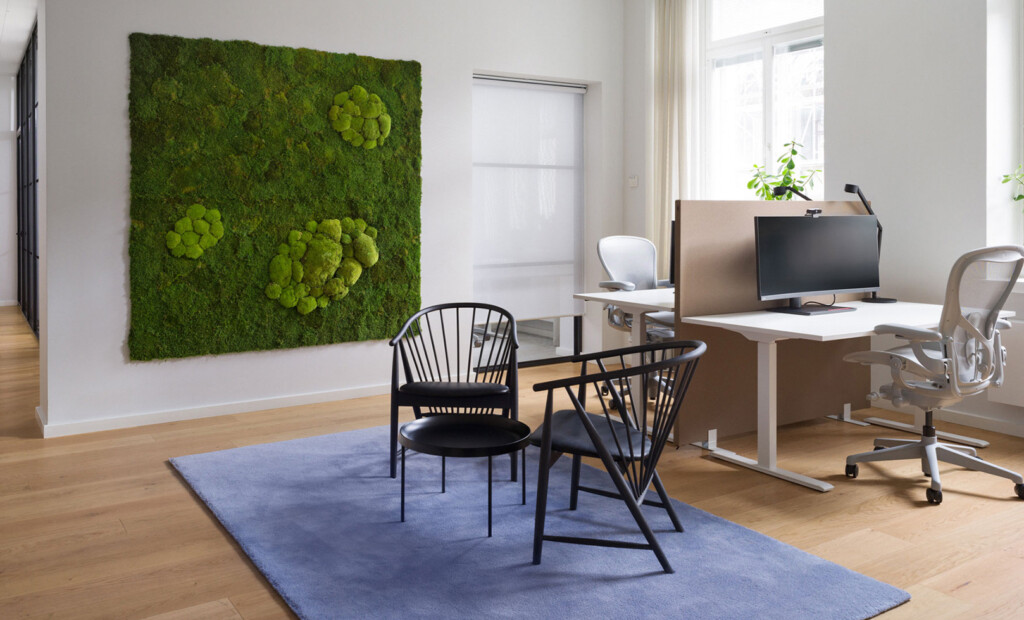
The impact of ergonomic workstations is evident in reduced sick leave and improved workplace well-being. Adjustable desks, functional chairs, and properly positioned monitors prevent musculoskeletal disorders that are common in office work.
Acoustics is one of the most significant factors affecting productivity – a poorly functioning sound environment can significantly reduce work efficiency. Acoustic improvement solutions such as sound-dampening materials, smart space divisions, and quiet zones are not just comfort features, but investments directly affecting productivity.
Lighting has proven effects on both employee alertness and creativity. Dynamic lighting that adapts to circadian rhythms supports the human natural biological clock and improves concentration. Well-designed lighting considers both general lighting and workstation-specific needs.
What are the most common space planning mistakes that cause unnecessary costs?
One of the most common mistakes is inefficient space utilization. Space solutions that are too spacious or cramped lead to either unnecessary square footage rent or work complications. In space planning, it’s important to understand the organization’s real needs and size spaces correctly.
Inappropriate furniture solutions are another significant mistake. Furniture that doesn’t support work processes or is poor quality becomes expensive in the long run. High-quality, adaptable furniture withstands time and adjusts to changing needs.
- Poor flexibility: Fixed structures and inflexible space planning lead to expensive modifications when operations change
- Brand-inappropriate space solutions: Spaces that don’t reflect company values or brand weaken employee experience and customer perception
- Inadequate technology: Insufficient electrical, network, and AV solutions hinder work and cause unnecessary upgrade needs
Many organizations also make the mistake of leaving users out of the design process. When employees can’t influence their workspaces, spaces easily become impractical. Participatory design processes with workshops and surveys ensure that the result meets real needs.
The significance of space planning in future work environments
In future work environments, the importance of space planning becomes even more pronounced. Hybrid work and flexible working arrangements require spaces that support both individual and group work and adapt to varying user numbers. Office spaces must attract employees on-site by offering something unavailable at home – community, quality meeting places, and inspiring work environments.
The foundation of cost-effective space planning is careful needs assessment. Consider what functions occur in the workspace, how many employees are present simultaneously, and what work methods exist in the organization. Pay particular attention to space flexibility so they serve business in the future as well.
Effective space planning combines analytical groundwork and creative vision. The best space solutions emerge when design considers both functional needs and visual appearance that supports organizational values and brand. Spaces should be not only functional but also inspiring and comfort-enhancing.
Successful space planning is always an investment in the future. It supports business growth, employee well-being, and company competitiveness. Therefore, space planning should utilize experts who understand different work environment needs and can create solutions that generate value over the long term.
__________________________
Does your property need development? Please feel free to contact us regardless of your project size, and we’ll think together about the best solution for your specific needs!