How does space planning also improve employee well-being?
Workplace design has become a central factor for organizations striving to improve their employees’ well-being and commitment. Carefully implemented space planning significantly affects how people experience their workplace, how comfortable they feel there, and how effectively they perform their work tasks. Functional, pleasant spaces that respond to different work needs encourage better interaction, increase job satisfaction, and strengthen organizational culture.
How does space planning affect employee well-being?
The significance of the work environment for people’s well-being is undeniable. We spend a significant portion of our time at the workplace, and the environment has a direct impact on both our physical and mental well-being. Quality space planning supports employee health, reduces stress, and improves concentration. It also promotes community and a sense of belonging, which directly reflects on work motivation.
Modern workspace design starts from the nature of work and organizational needs. This means understanding industry-specific work methods and processes. Different work tasks require different types of spaces – concentration-demanding work cannot be done in a noisy environment, nor can creative teamwork succeed in cramped, isolated workstations.
Contemporary workplace design aims to create multi-space offices that provide suitable settings for different work tasks. Efficiency, comfort, as well as employee health and safety are all taken into consideration. This comprehensive approach has revolutionized the understanding of what kind of work environment best supports both organizational and individual goals.
Many factors influence the comfort and functionality of the work environment:
- Lighting – The amount and quality of natural light as well as artificial lighting design significantly affect alertness, eye health, and even sleep quality. Good lighting design considers different work tasks and times of day.
- Acoustics – The sound environment of workspaces affects concentration and stress levels. Acoustic solutions can help reduce disturbing noise and create peaceful working environments.
- Ergonomics – Ergonomic design of workstations prevents musculoskeletal problems. Adjustable desks, appropriate chairs, and adaptable solutions support healthy working.
- Color scheme – Colors have psychological effects that can promote concentration, creativity, or relaxation. Color design for different spaces should be implemented according to the space’s intended use.
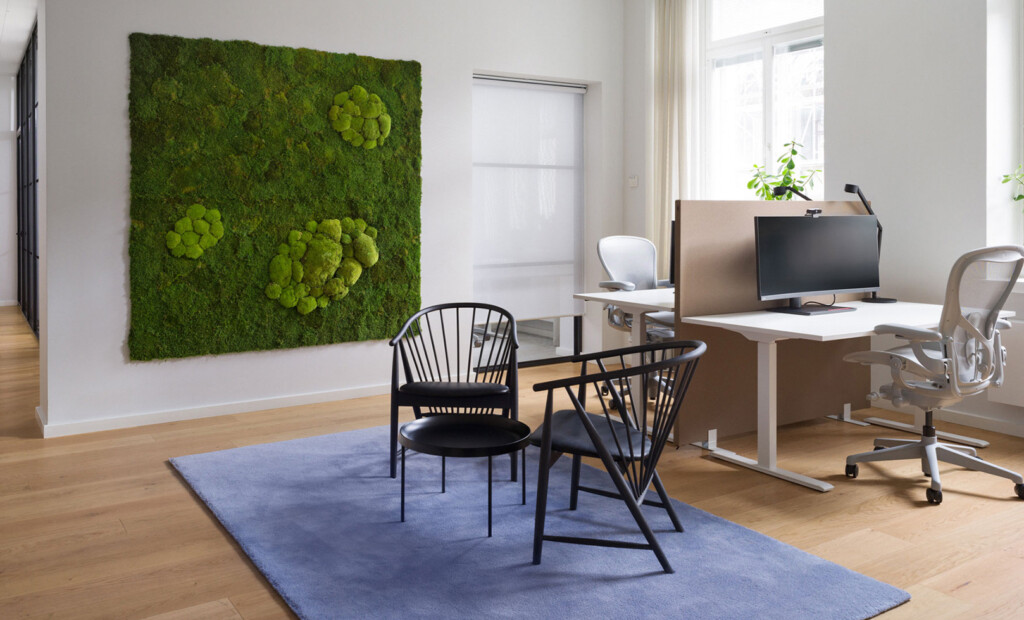
- Plants and natural elements – Connection to nature improves well-being, reduces stress, and purifies air. Green plants and natural materials bring vitality and comfort to the work environment.
- Adaptable spaces – Flexible and versatile spatial solutions enable spaces to be modified according to different needs. This supports various working methods and efficient use of spaces.
Carefully implemented space planning considers all these elements as a whole that supports organizational operations and employee well-being.
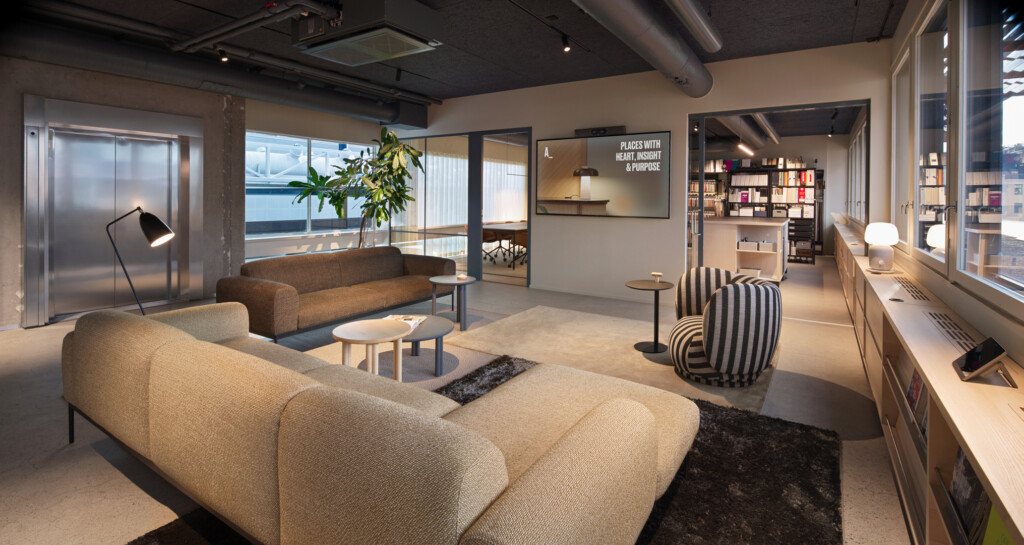
Amerikka’s own office offers spaces designed for different ways of working.
How can employees be involved in the space planning process?
Employee participation in space planning is key to achieving a successful outcome. When the end users of the work environment are involved in the design process, the spaces better meet their needs and wishes. This increases satisfaction and commitment to the new spaces.
Participatory design can be implemented in many different ways:
- Staff surveys that map employees’ wishes and needs
- Workshops where workplace development is considered together
- Continuous feedback and collection of development ideas even after the spaces are put into use
Management commitment is essential for the success of a participatory design process. When employees feel that their opinions truly matter, they also commit better to change and the use of new spaces.
Employee-centered space planning requires deep understanding of the industry and organizational work methods. It is important to understand how work is done in the particular company and what kinds of spaces different work tasks require. This process helps determine how much is needed, for example, of quiet work spaces, meeting rooms, phone booths, or workshop spaces.

The future of space planning: towards even more comfortable work environments
Workplace design is constantly evolving, and future trends emphasize employee experience and flexibility even more strongly. The proliferation of hybrid work has changed our understanding of the purpose of office spaces: the office is increasingly becoming a place for meeting, collaboration, and community.
Key development directions for future work environments include:
- Flexibility and adaptability – spaces that easily adapt to different needs
- Seamless technology integration – digital solutions that support both on-site and remote work
- Emphasis on well-being – spaces that actively promote health and resilience
- Responsibility and sustainability – ecological materials and energy-efficient solutions
Organizations can improve their employees’ comfort through space planning by first critically examining their current spaces and work processes. It is important to understand that space planning is a continuous process that changes as the organization and work methods develop.
Ultimately, successful space planning combines organizational goals and employee needs. It creates an environment where people can do their best and experience their work as meaningful. Good space planning can significantly improve both employee experience and organizational performance.
_____________________________
Does your property need development? Please feel free to contact us regardless of your project size, and we’ll think together about the best solution for your specific needs!