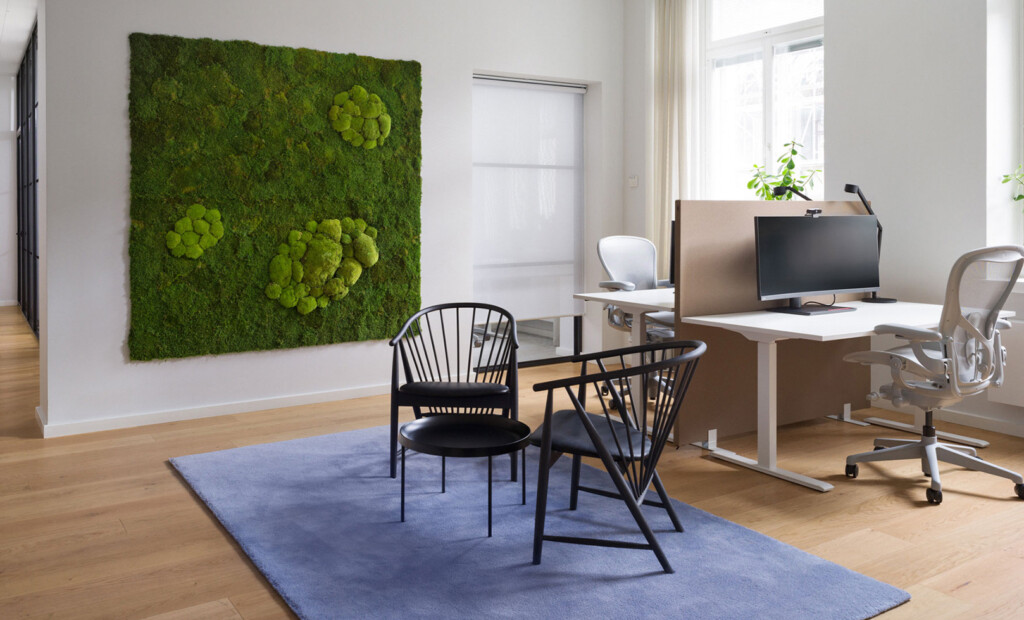
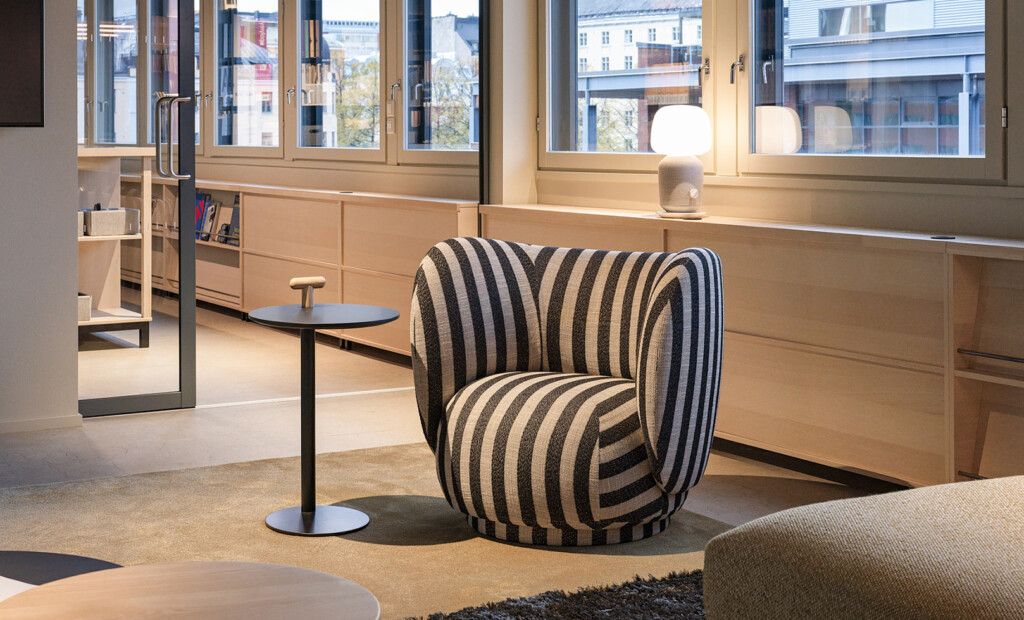
Strategic facility planning – Create spaces that speak for themselves
Strategic workspace planning is a comprehensive approach that considers a company’s business objectives, brand identity, and employee well-being as an interconnected whole. Rather than treating the workplace as a purely physical environment, it views space as a strategic tool that supports organizational goals, culture, and ways of working.
Unlike traditional space planning, which often focuses primarily on aesthetics or efficient space utilization, strategic workspace planning combines analytical processes with creative passion. It takes into account how people work, interact, and move within the space, resulting in environments that support both work performance and the company’s core values over the long term.
Strategic workspace planning places strong emphasis on brand experience and its significance for both customers and employees. The work environment is often one of the most tangible expressions of a company’s brand, influencing how it is perceived internally and externally.
A well-designed workspace can enhance employee satisfaction, strengthen engagement, and reinforce a positive company image. By aligning spatial solutions with a company’s vision and strategic goals, workplaces can actively support business development and improve competitiveness in an increasingly experience-driven market.
Why is strategic workspace planning important for businesses?
Companies that invest in strategic workspace planning can achieve a wide range of tangible and intangible benefits. One of the most significant is improved employee productivity and satisfaction. When workspace design supports ergonomics, different work tasks, and smooth workflows, employees are better able to focus, collaborate, and perform at their best.
In addition to internal benefits, strategic workspace planning directly affects customer experience and corporate image. When customers, partners, or potential employees visit company premises, first impressions play a crucial role. Spaces that reflect brand identity, quality, and professionalism can build trust, strengthen relationships, and support long-term business growth.
How to create spaces that support company objectives?
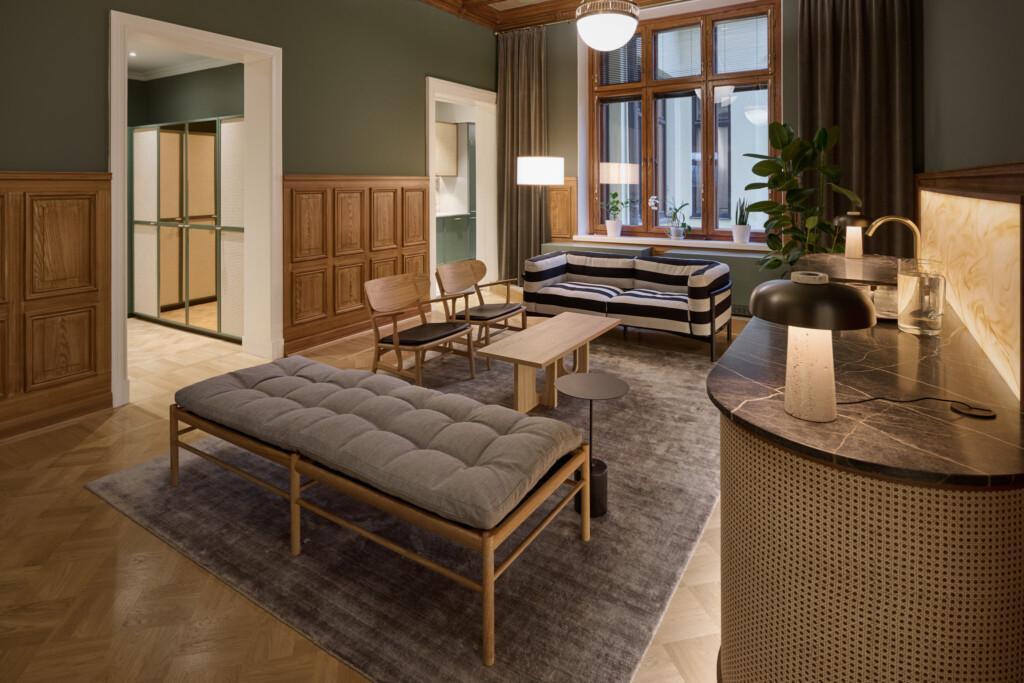
Considering company objectives is a critical starting point in strategic workspace planning. This begins with understanding the organization’s core values, culture, and business goals, and translating them into spatial solutions. The workplace should clearly support how the company operates today while remaining adaptable for future needs.
For example, if innovation and collaboration are central to the company’s strategy, the workspace should encourage creativity through flexible layouts, shared areas, and a variety of work settings. Different zones can support focused work, teamwork, and informal interaction, ensuring that the space aligns with both individual and collective goals.
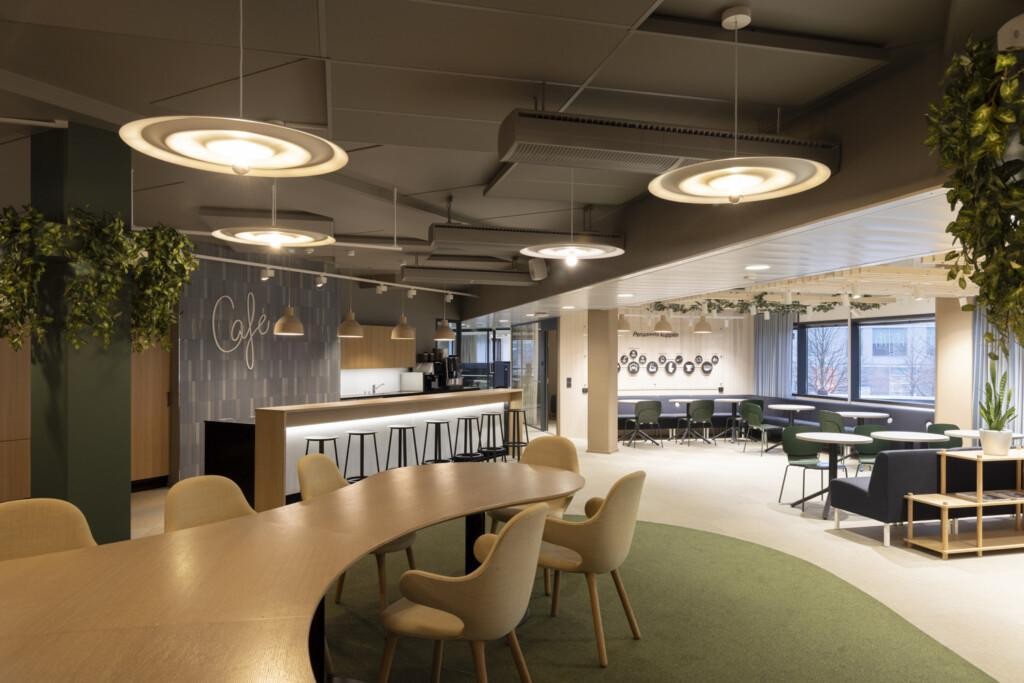
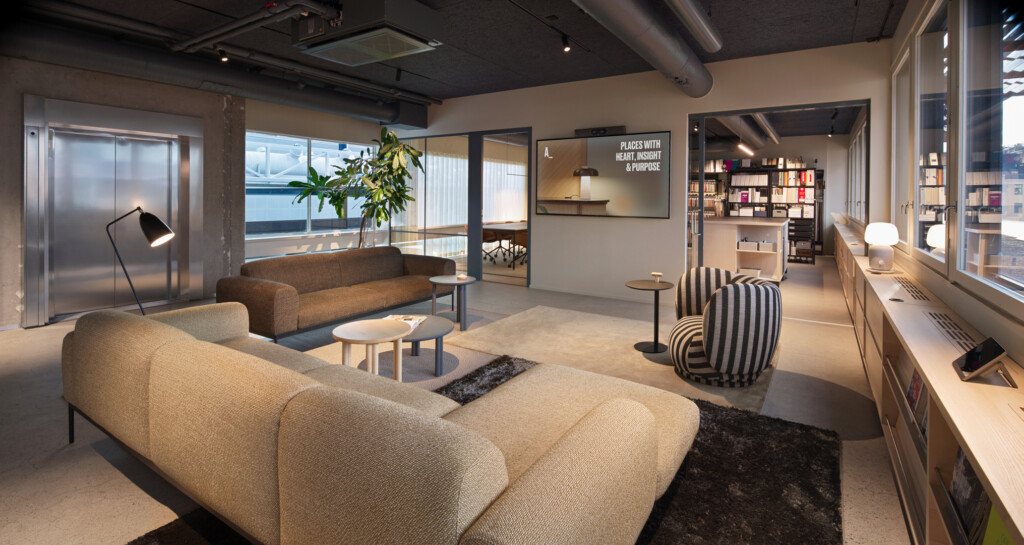
A practical example is the use of multi-space offices. These environments give employees the freedom to choose where and how they work, depending on the task at hand. Flexible furniture, shared lounges, and café-style spaces can encourage spontaneous encounters and idea exchange, which often form the basis for new and innovative solutions.
What are the most common mistakes in workspace planning?
One of the most common mistakes in workspace planning is insufficient analysis of actual user needs. When spaces are under-planned or based on assumptions rather than real work patterns, the result is often inefficient use of space, reduced comfort, and increased long-term costs.
Another frequent mistake is neglecting brand identity in spatial design. If the workplace does not reflect the company’s values or positioning, it can weaken the overall brand image, especially in the eyes of visitors and employees. The workspace should consistently communicate what the company stands for.
Overly rigid solutions are also problematic. Workspaces that cannot adapt to organizational changes, growth, or new ways of working may quickly become outdated. Strategic workspace planning should always allow flexibility and leave room for future development.
How to promote collaboration and creativity in workspaces?
Promoting collaboration and creativity requires intentional and thoughtful workspace design. Open and adaptable areas where employees can meet naturally encourage interaction and teamwork. These spaces might include shared project zones, informal meeting areas, or communal break spaces that support both work-related and social encounters.
Creativity is further enhanced by inspiring environments that include elements such as art, natural materials, and biophilic design. These features can improve mood, reduce stress, and stimulate creative thinking. In addition, well-integrated technology—such as video conferencing tools, smart whiteboards, and flexible presentation solutions—supports seamless collaboration and idea sharing, which are essential for continuous innovation.
____________________________
Does your property need development? Please feel free to contact us regardless of your project size, and we’ll think together about the best solution for your specific needs!