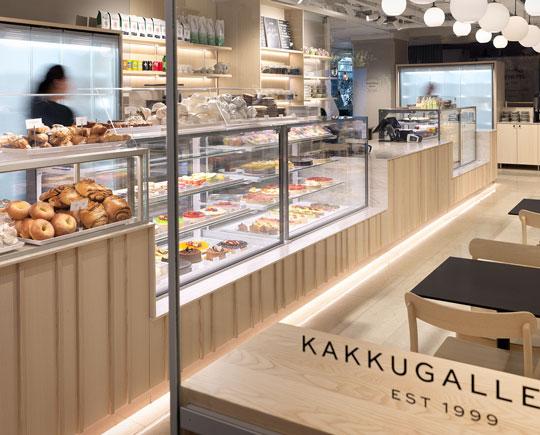
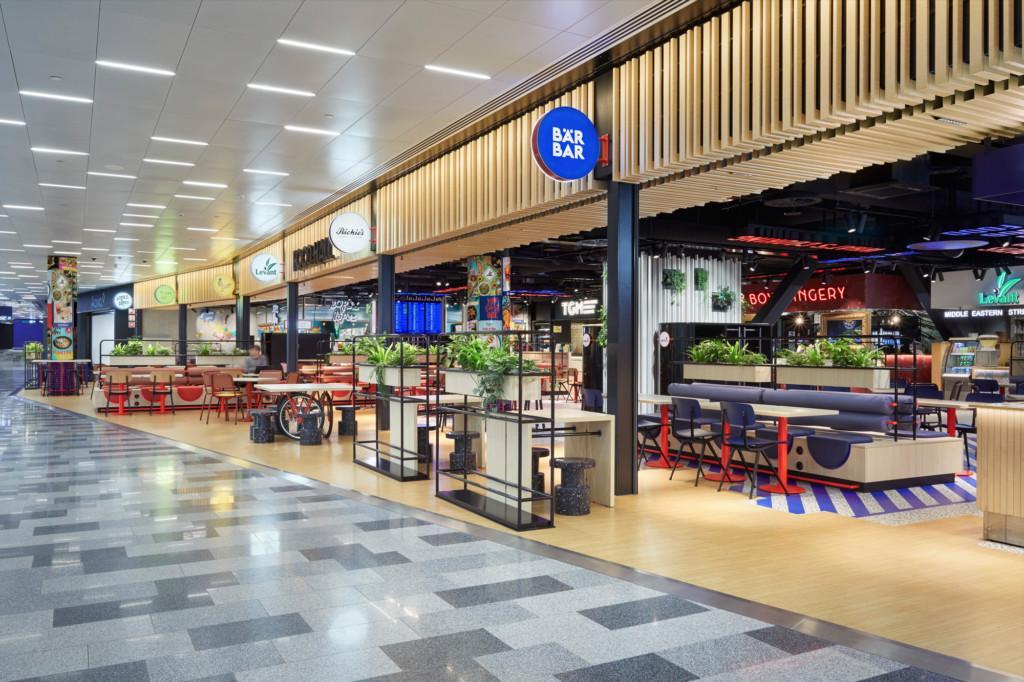
Restaurant design – The foundation of a successful restaurant
Restaurant design is a multidimensional process that combines business expertise, an understanding of customer experience, and aesthetically and functionally well-considered spatial solutions. The aim is not merely to create a visually striking environment, but to develop a functional and profitable whole that serves both customers and staff. Successful restaurant design is shaped by multiple factors that must be carefully considered throughout the different phases of the design process.
Business-driven Planning and Conceptualization
Every successful restaurant is based on a clear business model that defines the customer segment, service concept, and factors critical to profitability. Without a precise understanding of how the restaurant creates value for its customers and what margins it operates on, the design process can lead to suboptimal solutions. Therefore, drafting a business plan and defining the concept are primary steps before designing physical spaces.
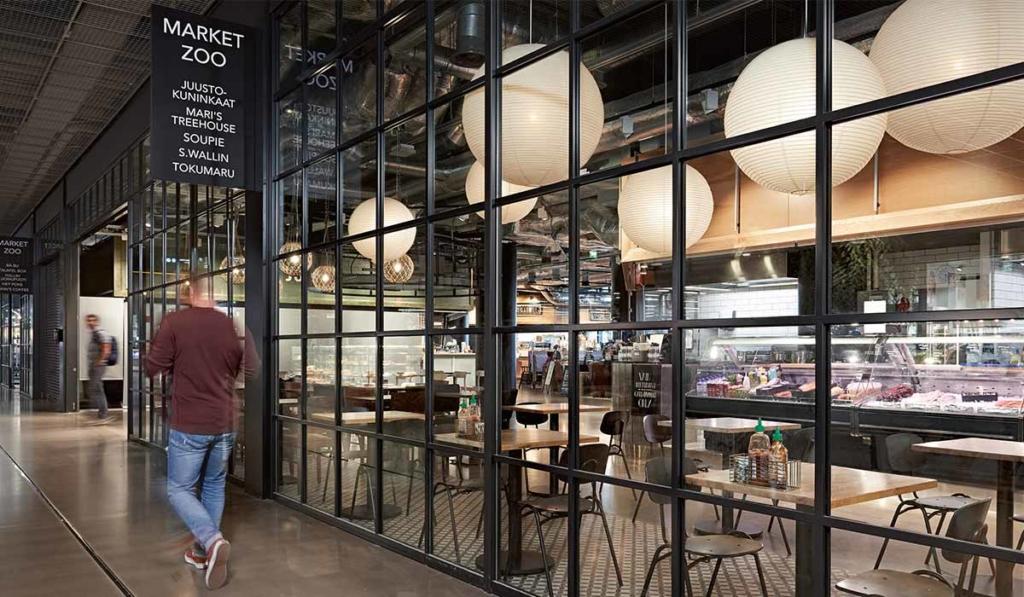
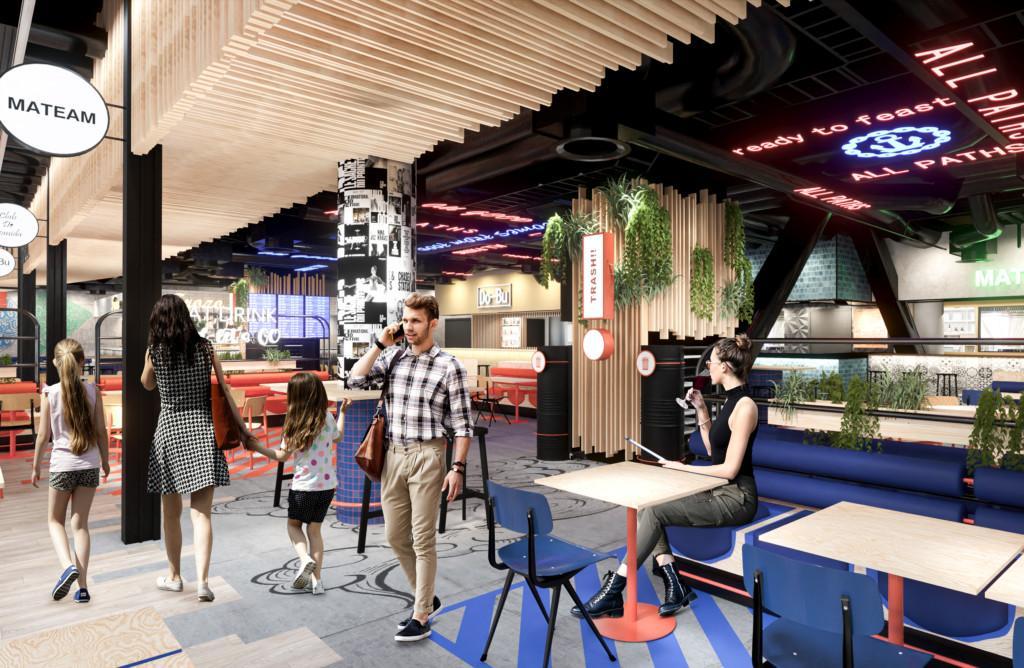
A good restaurant concept considers the target group’s expectations and dining habits, but also the market situation and competition. For example, a fine dining restaurant located in an urban area needs a completely different spatial solution than a fast-paced lunch café in a shopping center. Concept design takes into account the menu, price level, customer turnover, and service model, all of which affect space dimensioning and logistics.
Functional and Aesthetic Design
Successful restaurant design requires balance between aesthetic and practical solutions. Spaces must be attractive and atmospherically aligned with the brand, while simultaneously being designed so that both customer movement and staff work flow efficiently.
Key considerations include:
- Kitchen and dining room relationship: The kitchen must be spacious enough for efficient work, but it shouldn’t take up too much customer space. Logistics between the kitchen, service areas, and customer seating affects service flow.
- Seating arrangement: Space design affects customer experience and comfort. Open spaces suit more casual dining, while a more intimate atmosphere can be created by dividing the space into smaller sections.
- Acoustics and lighting: Noise level and lighting significantly impact customers’ experience. Overly bright lighting can create a sterile atmosphere, while well-planned lighting supports the restaurant’s concept and comfort.
- Accessibility: All customers must be able to move smoothly through the restaurant, so accessibility solutions are an essential part of design.
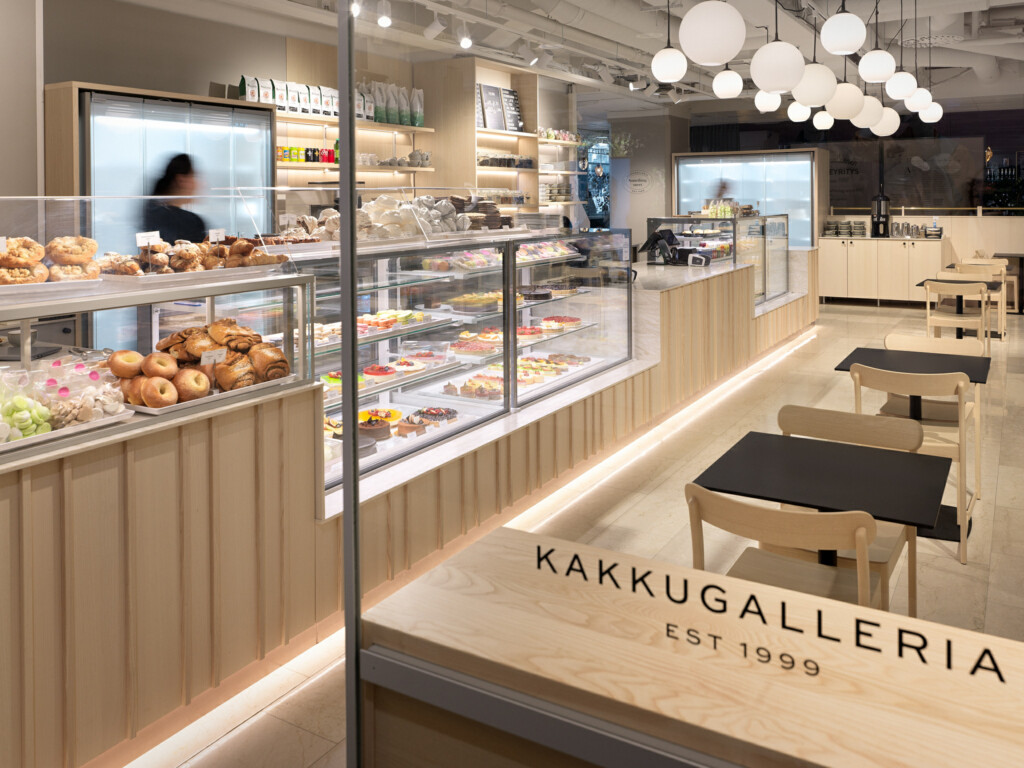
- Interior design and branding: Restaurant interior is an important part of its identity and customer experience. Cohesive color scheme, material choices, and furniture support the brand story and create an unforgettable atmosphere.
Customer Experience and Service Design as Part of Restaurant Design
Restaurant design is not limited to just the physical environment, but also includes optimizing customer experience through service design methods. Good service design ensures that the customer journey is smooth, clear, and pleasant from start to finish. This means, for example:
- Logical customer routes from entrance to ordering and from dining to payment.
- Streamlining interaction between staff and customers, for example with self-service solutions or well-designed service points.
- Utilizing technology, such as integrating digital ordering systems as part of the customer experience.
- Customer-focused sound environment and music selection that supports the restaurant’s atmosphere.
- Positioning food delivery pickup points so that pickup traffic doesn’t disturb on-site diners.
Sustainable Development and Future Trends in Restaurant Design
Today’s restaurants must also consider sustainable development principles, which affect both space design and daily operations. Energy-efficient kitchen equipment, sustainable and recyclable materials, and favoring local ingredients are all ways a restaurant can reduce its carbon footprint and respond to customers’ growing expectations for responsibility.
Additionally, new trends are visible in the restaurant industry that affect design:
- Multi-use spaces: Café, workspace, and event venues combined into one concept.
- Digitalization and smart solutions: Smart lighting, advanced reservation systems, and digital menus.
- Plant-based and health-conscious options: Menu design supporting wellness trends.
- Takeaway and food delivery solutions: Separate pickup points and efficient delivery systems to respond to changing consumer behavior.
Restaurant design is a comprehensive process that combines business strategy, customer experience, and space planning. Successful design requires deep understanding of restaurant operations, customer needs, and space functionality. When all these elements are considered in the design process, the result is a restaurant that not only looks good, but also operates efficiently and supports profitable business in the long term.
_______________________________________
Does your property need development? Please feel free to contact us regardless of your project size, and we’ll think together about the best solution for your specific needs!