An unforgettable customer experience begins with successful restaurant design
A well-designed restaurant space communicates brand values, guides customer behavior, and creates an atmosphere that remains memorable. Successful space design considers the needs of both customers and staff, supports business objectives, and differentiates the restaurant from competitors. The importance of space design is particularly emphasized now, when restaurants compete for customers’ time with the home sofa.
Restaurant design forms the concrete framework through which customers experience the entire service. First impressions are formed in 7 seconds, and during this time, the space’s visual and functional elements communicate to the customer whether they are welcome and what they can expect. A well-designed space tells a story and reinforces the restaurant’s identity with every detail.
The impact of space design extends to all senses. Acoustics determine whether one can converse pleasantly in the space or must raise their voice. Lighting affects both atmosphere and the visual experience of food. The comfort and placement of furniture guide how long customers enjoy staying. These elements together create a comprehensive experience that, at its best, brings customers back again and again.
The importance of space as a competitive factor has grown even more in the social media era. Instagram-worthy moments and elements can serve as the restaurant’s marketing asset when customers share their experiences. Successful space design seamlessly combines these visual highlights with functionality, creating an environment that feels authentic and purposeful, not superficial.
How to create a restaurant concept that meets the target group’s needs?
Creating a successful restaurant concept begins with thorough groundwork. An analytical approach to restaurant concept planning requires precise understanding of the target group, area, and competitive situation. A mere “good idea” is not enough – information is needed about who patronizes the restaurant, what motivates them, and what is already offered in the area.
At the beginning of concept design, it is useful to map the demographic factors, existing services, and traffic flows of the operating area. Are there offices in the area that generate lunch customers? Do families or singles live nearby? Do people pass through the area or is it a destination? Answering these questions helps target the restaurant’s offerings and atmosphere to serve a real need.
Competitor analysis is an essential part of restaurant concept planning. It helps identify market gaps and differentiation opportunities. The analysis should also consider indirect competitors – the home sofa, fast food restaurants, and food delivery services all compete for the customer’s time and money. Understanding what added value the restaurant can bring to this competitive landscape guides planning from the start toward a functioning whole.
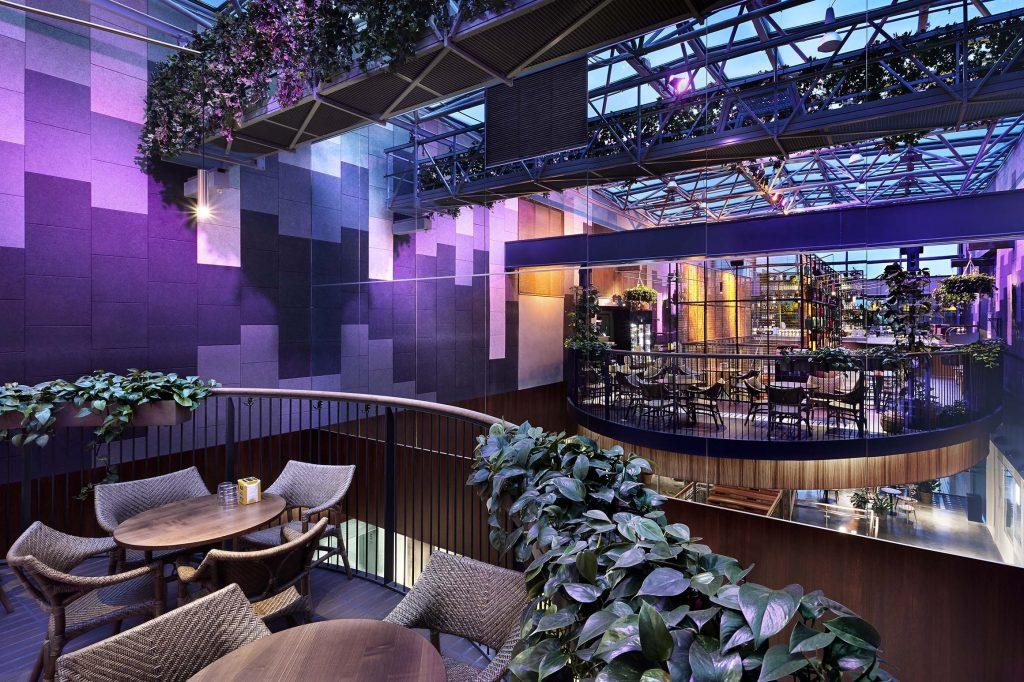
Shopping Center Kamppi “Kortteli”
What are the most important elements of a functional restaurant space?
In designing a functional restaurant space, one balances between aesthetics and functionality. The most important elements support both customer experience and staff work, creating a whole where every detail serves its purpose. The design must consider the space’s natural flow, material choices, and technical solutions.
Acoustics is one of the most critical elements of restaurant space, which often receives too little attention. Excessive noise prevents conversation, affects the dining experience, and can even shorten the time spent in the restaurant. Acoustic solutions should be integrated as part of the interior design already in the planning phase – corrections made afterwards are often expensive and involve compromises. Acoustic panels, textiles, and furniture material choices all affect the space’s soundscape.
Lighting is another significant element with direct impact on atmosphere and functionality. Flexible lighting design enables transforming the space according to different times of day and occasions. Good lighting emphasizes food colors, creates intimate nooks, and facilitates staff work. Different levels of lighting – general lighting, targeted lighting, and ambient lighting – together form a harmonious whole.
| Element | Impact on customer experience | Impact on operational function |
|---|---|---|
| Acoustics | Enables conversation, increases comfort | Reduces staff burden, clarifies communication |
| Lighting | Creates atmosphere, emphasizes food quality | Facilitates work, enables different space uses |
| Furniture | Affects comfort and duration of stay | Determines number of customer seats, affects cleaning |
| Space division | Creates privacy or community | Affects staff movement and efficiency |
How to design a restaurant’s customer journey to ensure maximum experience?
Designing a restaurant’s customer journey is like a script that guides the visitor’s experience from first contact to paying the bill. A considered customer journey takes into account every touchpoint and designs them to support both practicality and emotion. It’s about micro-decisions that together create a seamless experience.
The customer journey begins before arriving at the restaurant – how easily the restaurant is found, what the facade looks like, whether the entrance is inviting. Upon entering, the space should guide the customer intuitively: is it clear how to proceed (wait to be seated or choose yourself)? Waiting area design is particularly important, as it determines the first impression of atmosphere. A well-designed bar counter can serve as both a waiting area and an independent service point.
Table placement and grouping directly affect both customer experience and restaurant profitability. Different customer groups (couples, families, larger parties) need different table solutions. A smart designer also considers how staff move through the space so service flows seamlessly. Restroom location, visibility, and routes should be planned so they don’t disturb diners. Leaving the restaurant is the last touchpoint, so the cashier’s location and exit route should be designed smoothly – even a good dining experience can suffer if paying the bill is difficult.
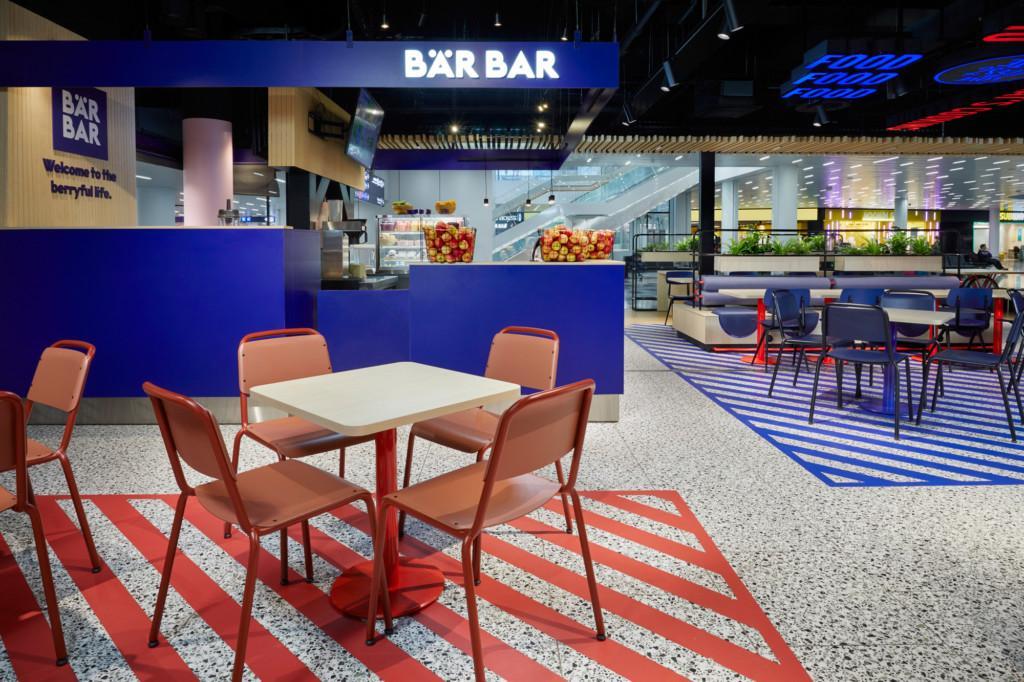
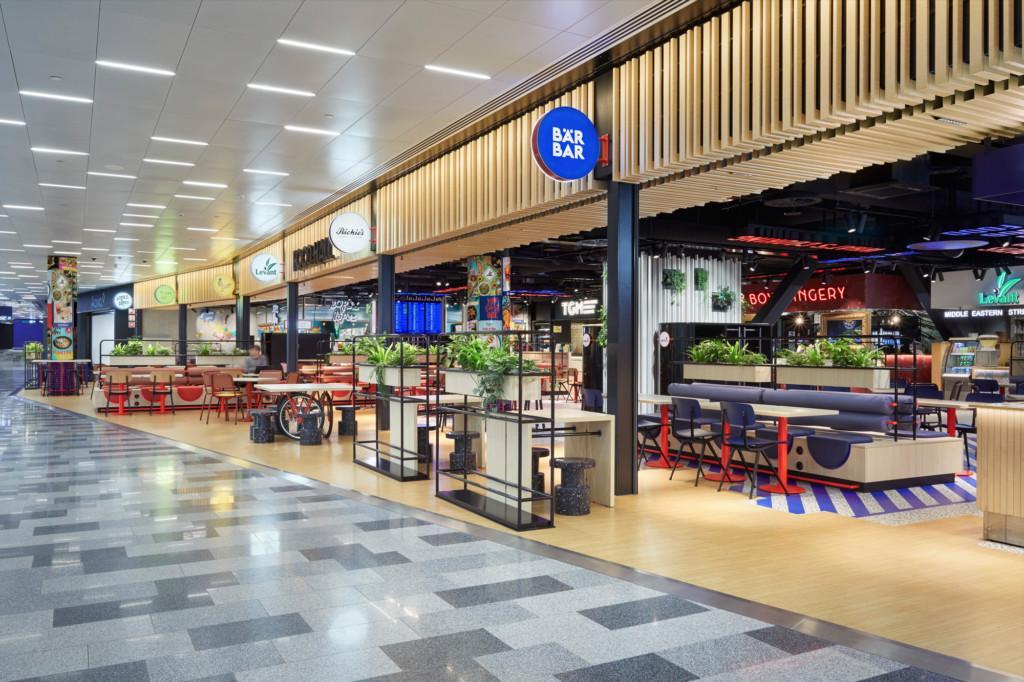
Airport’s award-winning Food Hall T2
How can restaurant space design respond to changing consumption habits?
Restaurant industry consumption habits are constantly changing, and flexibility in space design is key to ensuring the restaurant’s longevity. Modern restaurant space must respond to many, even conflicting needs: the same space should succeed in both traditional dining and takeout order handling, intimate dinners and larger events.
The growth of take away services requires new thinking in space design. Pickup points should be located so they don’t disturb dining customers but are still easily accessible. At best, pickup customers see the restaurant’s atmosphere and become excited to come dine on-site later. Food delivery service drivers also need a clear route and waiting area that doesn’t disturb the restaurant’s atmosphere.
Space adaptability for different seasons and occasions is increasingly important. Flexible space solutions, such as movable partitions, multi-use furniture, and adaptable lighting, enable transforming the space from a quiet morning café to lunchtime and further to an atmospheric evening restaurant. Integration of digital services into space design is also a growing trend – mobile orders, self-service checkouts, and digital menu displays require their own place in the restaurant’s overall design.
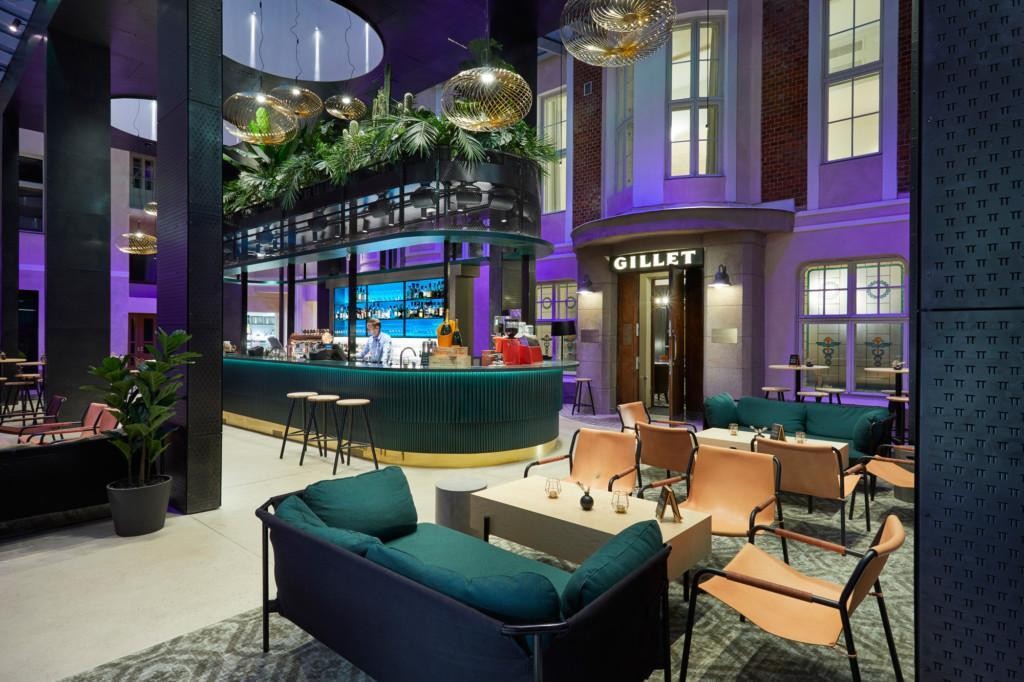
Restaurant space design as competitive advantage
A comprehensive approach to restaurant design combines analytical process and creative thinking. At its best, the result is a space that supports both customer comfort and business objectives seamlessly. Good space design considers not only current needs but also future changes and enables the space to evolve over time.
In a successful restaurant space, it’s about balance: the balance of wow experiences and practicality, intimacy and efficiency, aesthetics and functionality. The best solutions emerge when all perspectives are considered from the start in planning – visuality, functionality, profitability, and atmosphere. Restaurant design involves making both artistic and commercial decisions simultaneously, aimed at both beautiful and functional results.
_________________________________________________
Does your restaurant need development? Don’t hesitate to reach out—no matter the size of your project, we’ll work together to find the best solution for your specific needs!