Article 29.5.2026
Hybrid Work Didn’t Reduce the Importance of the Office — It Changed It
When discussing workplace environments, the conversation often revolves around remote work, occupancy rates and whether offices are still needed at all. In the process, one essential question is easily overlooked: what makes an office a place people actually want to come to?
Smart Workspace Design Summit in Amsterdam brought together European experts in workplace strategy, real estate and organizational development to explore what the future of work might look like. One message surfaced again and again throughout the event: the value of the office no longer comes from desks and square footage, but from what people feel they gain by being together.
“A workplace that creates no feeling eventually creates no loyalty”
– Adrienne Kleman / VP, Global Workplace Services / Paysafe
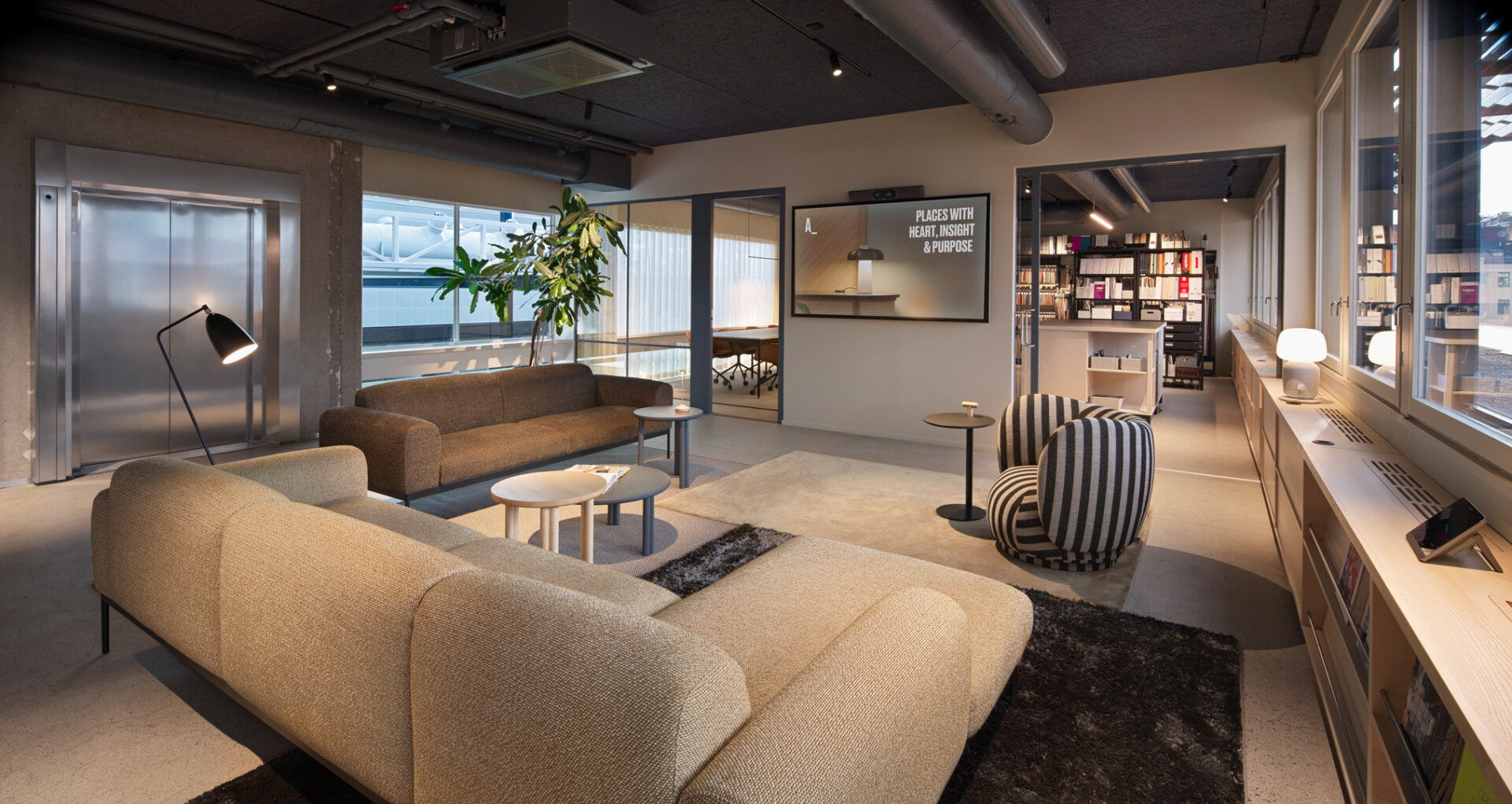
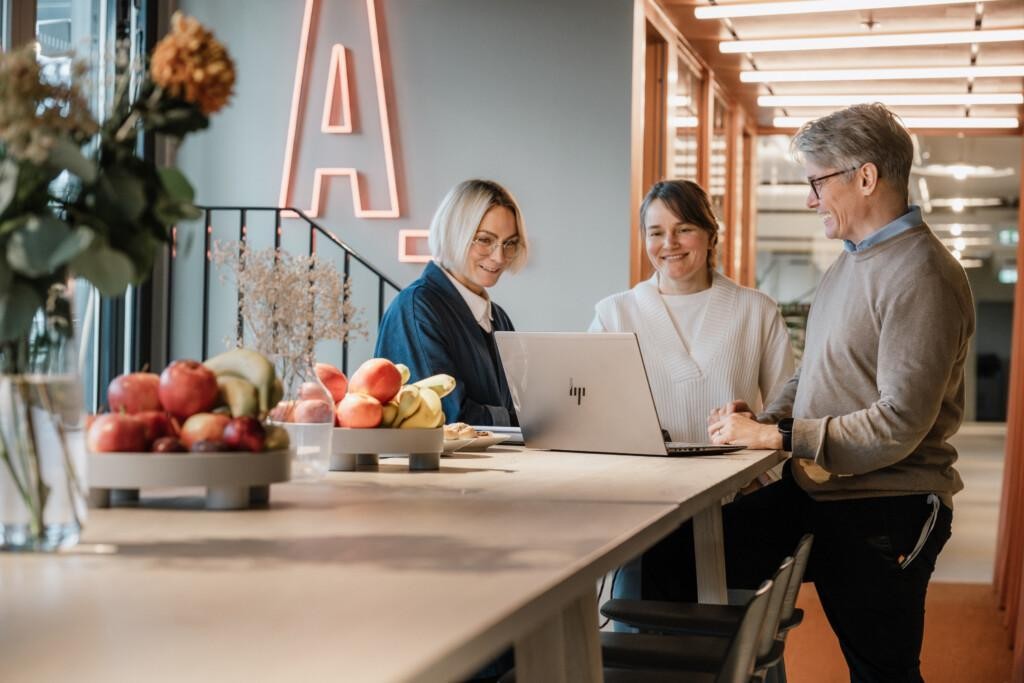
Amerikka’s own office features a variety of spaces designed to support different ways of working.
Hybrid Work Is Not a Transition Phase — It’s the New Starting Point
Many organizations still view hybrid work as a compromise or a challenge to be managed by setting targets for office attendance.
What stood out at the summit was how different the tone of the international conversation was compared to the remote work debate in Finland. Global organizations largely approached hybrid work as an operating model that is continuously refined through data, user insights and business needs — without framing the discussion around whether people should be in the office or not. The conversation was notably more practical and solution-oriented.
Rather than focusing on individual offices, companies are increasingly looking at their entire workplace network as an evolving ecosystem. The workplace is no longer seen as a single, static location. Instead, organizations are adopting a portfolio mindset, developing their workplace environments as flexible networks that evolve alongside changing ways of working.
Workplaces are no longer designed on the assumption that everyone will be present at the same time. The focus has shifted to understanding how people actually work, move through spaces and use the environment throughout the day.
In larger organizations especially, fluctuating occupancy levels have increased the need for more precise, data-driven workplace planning. Today, occupancy patterns, employee experience and work rhythms can be analyzed in far greater detail than before. This enables more informed decision-making and helps create environments that are genuinely aligned with user needs.
The data often reveals a gap between aspirations and reality. A company may hope employees will come to the office three days a week, while employees feel that two days is optimal. In practice, actual attendance often falls even below that.
As a result, organizations are being forced to rethink the role and design of the workplace.
“Vibrancy is the level of fullness required to make the office feel energetic and full of life”
– Peter Mostien / Strategic Real Estate Manager / ING
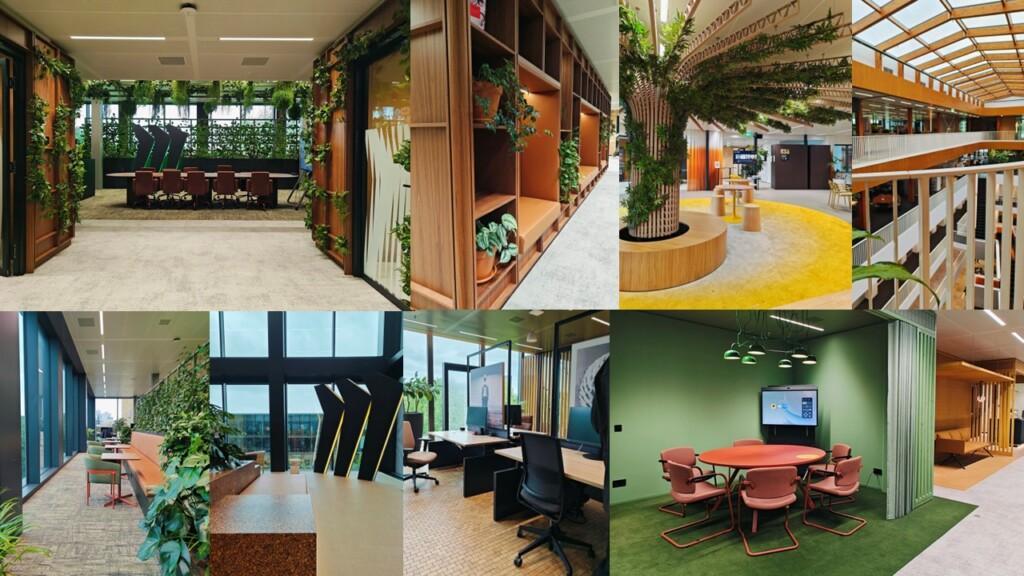
During site visits to Miro and EdgeTech, several recurring themes emerged: human-centered design, thoughtfully integrated workplace services, modularity and a strong connection to nature through biophilic design.
The Office Is No Longer Measured by the Number of Desks
Increasingly, the success of a workplace is evaluated through the overall experience it provides. What matters is how well the environment supports collaboration, enables focused work, creates a sense of energy and community, and accommodates different ways of working.
Another notable theme throughout the discussions was the growing emphasis on neuroinclusion. Rather than designing spaces for an assumed “average user,” organizations are seeking a deeper understanding of diverse needs, different ways of engaging with the environment, and the ways in which space shapes human experience.
Several speakers approached the workplace primarily as a human experience. Discussions explored how environments affect our nervous systems, what kinds of situations create stress, and which elements foster feelings of safety, belonging and energy. It was a compelling perspective, not least because people come to work as human beings first and employees second. The way we experience our surroundings has a direct impact on the quality of work, collaboration and productivity.
“People come for moments, they stay for energy and return for value”
– Bernabé Rodríguez-Pastrana Redondo / Head of Workplace Strategy / Mutua Madrileña
Data Drives Decisions, but Culture Makes the Difference
One of the strongest themes throughout the summit was the growing role of data in workplace development.
Organizations are continuously tracking how spaces are used, measuring employee experience and making decisions based on increasingly sophisticated analytics. Artificial intelligence is already being applied to tasks such as simulating workplace layouts and predicting how spaces will perform in practice.
Yet despite the focus on technology and data, nearly every discussion ultimately returned to the same topic: culture.
The most important role of the workplace is not simply to support work efficiently. It is to strengthen a sense of belonging and reinforce the organization’s identity.
”Culture is the most underrated success factor for businesses to thrive in today’s world”
– Titir Dey / Global Managing Director / Space Matrix
Workplace Development Is No Longer Owned by a Single Team
One of the most interesting observations from the summit related to the way organizations are structured and how workplace decisions are made.
In the most successful organizations, the workplace is not managed as a standalone real estate or facilities issue. HR, workplace strategy, facilities management, real estate development and technology teams work closely together to create a seamless employee experience.
Employees do not experience these functions as separate services. They simply experience whether their day-to-day work runs smoothly — or whether it doesn’t.
This shift is also redefining the role of workplace development. It is no longer just about designing spaces. It is about enabling business performance, supporting organizational culture and creating the conditions for people to do their best work.
“Position yourself as a business enabler. CRE and FM touches the lives of every employee every day”
– Piotr Wieczorek / Workplace & Facilities Manager EMEA / Aptiv
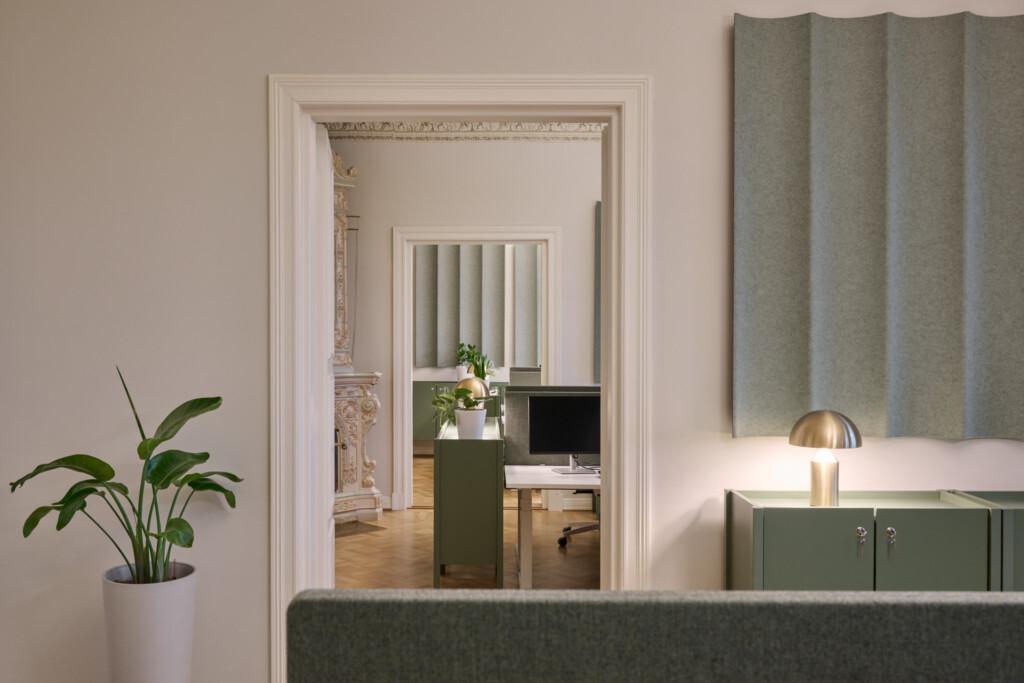
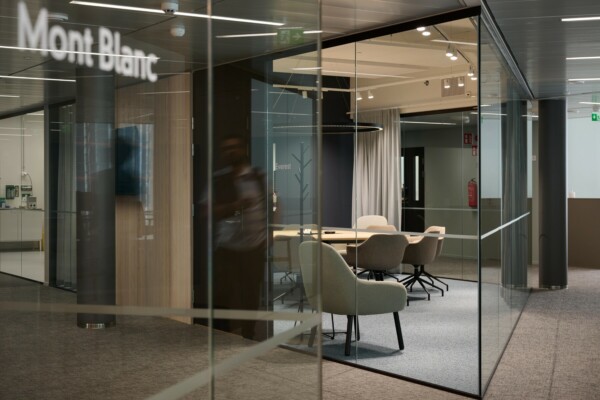
The investment firm’s workplace was designed to reflect a culture of openness and trust, both for employees and visitors.
The Future of the Office Is Built on Experience
Workplace development has entered a new era. Large-scale office transformations are giving way to a continuous process of measuring, learning and refining.
At the same time, one thing appears to remain unchanged: people still need places where they can connect with one another.
That is why the future of the office will not be determined by the number of desks it contains, but by its ability to create a sense of connection, energy and purpose.
A desk is not the reason people come to the office. People are.
“If leaders want the office to matter they have to be part of the magnet”
– Lorenzo Casavecchi / Director, Client Solutions / Altis Project
Creating successful workplace environments today requires balancing human needs, data-driven insights and business goals. We help organizations develop workplaces that support productive work while strengthening connection, culture and community.
You might also be interested in
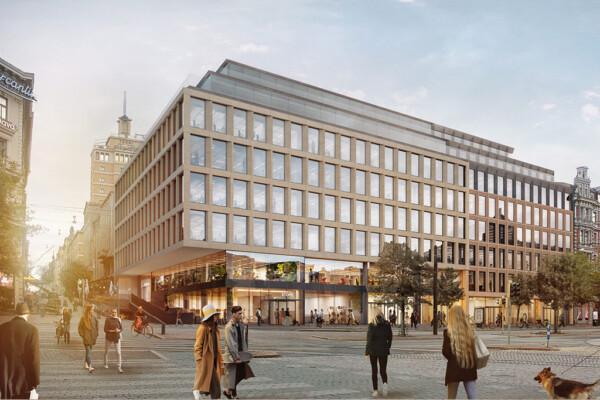
Bird & Bird’s new office design puts workplace comfort first

Employee Hub at the Heart of the Workspace