How does concept design support commercial success?
Successful strategic conceptualization creates decisive competitive advantage in the marketplace. A clear, distinctive concept strengthens brand identity, improves customer experience, and optimizes the use of company resources. When the business entity is carefully structured and planned, economic added value is generated in brick-and-mortar retail, digital environments, and services. A thoughtful conceptual approach helps anticipate market changes, respond to customer needs, and build sustainable success in a changing competitive landscape.
What is concept design and why is it important for business?
Concept design is a strategic process that defines a company’s or service’s core elements, operating principles, and value propositions into a coherent whole. It is deeper than ordinary design work, as it creates the foundation upon which all visual and functional solutions are built. Good concept design combines analytical approach and creative thinking.
Traditional design work often focuses on individual elements, such as visual identity or user interface. Concept design, on the other hand, examines the whole and how all parts work together to achieve customer experience and business objectives. It is the foundation that ensures all design decisions support the same strategic vision.
Well-executed concept design helps a company differentiate itself from competitors and creates the foundation for a consistent brand experience. It also helps in efficient resource allocation when decisions can be based on a clear overall picture. Companies that invest in careful concept design can often respond more quickly to market changes and customer needs.
Concept design significantly impacts brand building. It creates the foundation for stories, values, and visual identity through which customers form perceptions of the company. From a customer experience perspective, concept design helps create consistent and memorable encounters that strengthen customer loyalty and promote positive word-of-mouth marketing.

How does concept design concretely support sales?
A clear and distinctive concept immediately provides customers with a recognizable reason to choose your company or product instead of competitors. Impactful concept design creates competitive advantage that is difficult to copy because it is based on the company’s unique strengths and insights. Differentiation in the market is especially valuable in today’s information flood, where consumers have countless options.
A well-designed concept engages customers on an emotional level. It creates meaningfulness and identification experiences, which deepens the customer relationship beyond a purely transaction-based relationship. Committed customers are more likely to purchase again, recommend services to others, and forgive small mistakes, all of which directly reflects in sales growth.
Purchase decisions are often made on both rational and emotional grounds. Good concept design considers both dimensions: it clarifies the product’s or service’s value proposition and benefits, but also appeals to emotions and identity. From a commercial success perspective, such a holistic approach produces better results than focusing solely on product features or price.
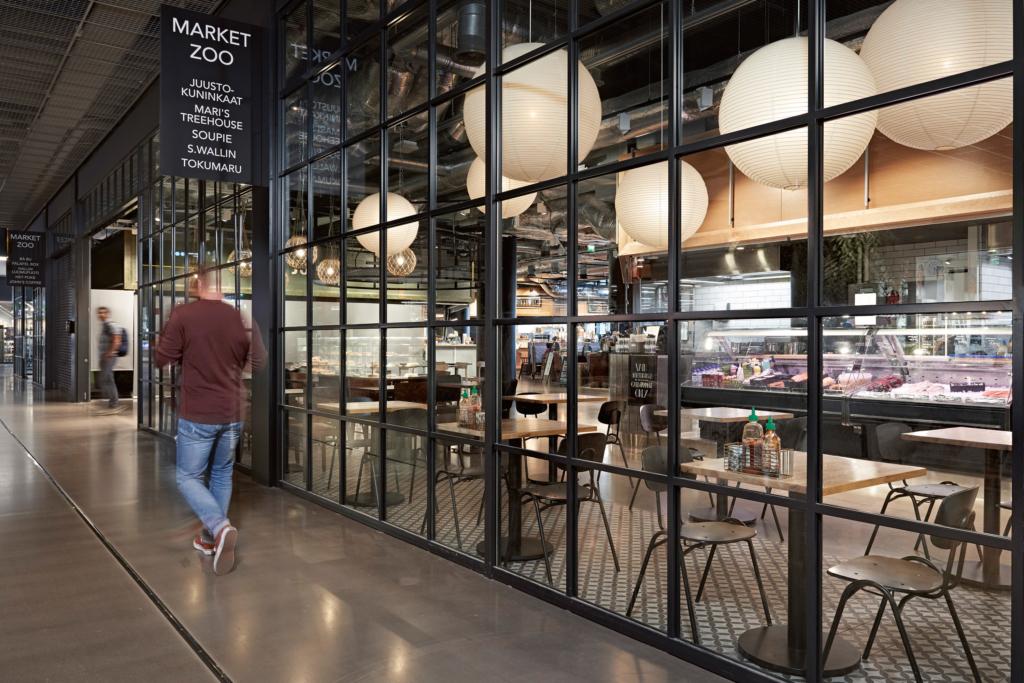
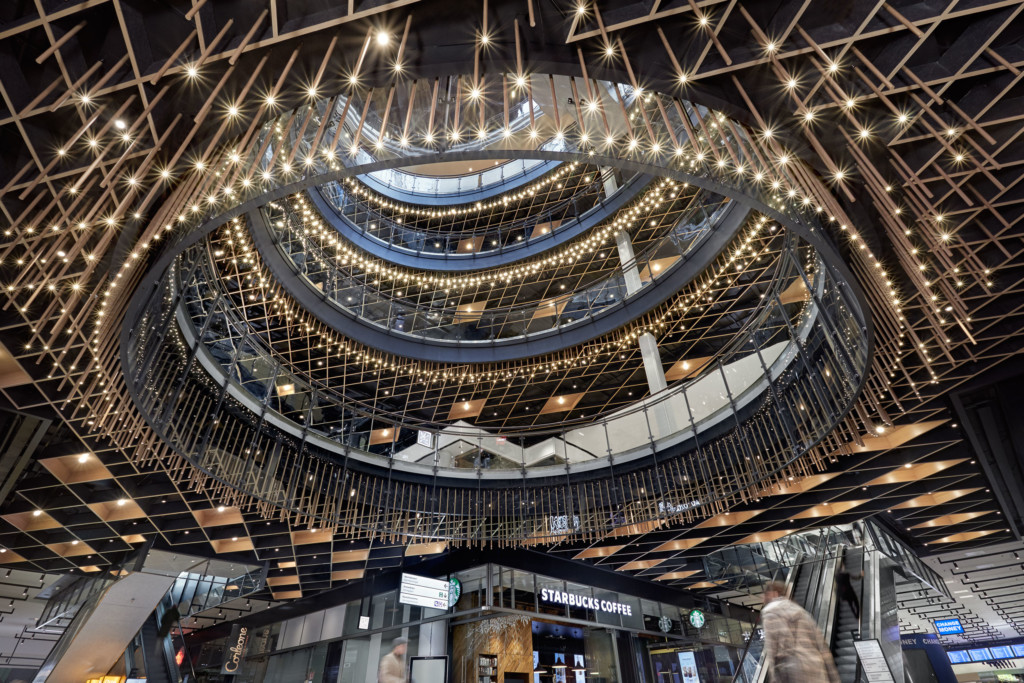
In commercial properties, such as shopping centers, concept design can manifest as impressive spatial experiences that attract customers to spend more time and make purchases. Modern shopping centers offer services and opportunities for social interaction in addition to shopping opportunities, which promotes commercial success.
Regarding work environments, concept design can support efficiency and well-being simultaneously. A well-designed work environment aligns employer goals with employee needs, leading to better productivity and commitment. This, in turn, positively affects business results.
When does your business need concept design?
It’s time for your business to invest in concept design especially when you’re launching a new business or introducing a new product. Careful concept design done in the initial phase pays for itself many times over when costly course corrections are avoided later. Concept design creates a sustainable foundation upon which everything else is built.
Recognize the need for concept design also when:
- Your brand no longer differentiates from competitors or feels outdated
- Your customer experience is inconsistent across different channels or touchpoints
- Your goal is to expand to new markets or target groups
- Your business model is changing due to digitalization or other disruptions
- Sales growth has slowed or stopped without a clear reason
- There is uncertainty within your organization about what the company’s core vision and direction is
Brand renewal is one of the most common situations when concept design is needed. When a brand no longer appeals to its target group or when a company wants to reposition itself in the market, comprehensive concept design helps find a new, relevant direction.
Corporate mergers and acquisitions are also situations where concept design is especially valuable. When two organizations merge, a unified concept is needed that creates synergy and clarifies the new entity’s identity and operating principles.
In developing digital services, concept design helps ensure that technological solutions truly serve business objectives and user needs. Without a clear concept, digital transformation projects can remain isolated technical projects without strategic impact.
The most important lessons of concept design for your business success
Holistic perspective is the core of concept design. A successful concept takes into account business objectives, customer needs, market situation, and available resources. Avoid siloing – the best concepts emerge when different areas of expertise and perspectives combine into a seamless whole.
Customer understanding is a key factor in successful concept design. Deep understanding of customers’ needs, desires, and behavior helps create concepts that truly resonate with the target group. Utilize data, but also remember qualitative methods to achieve deeper understanding.
In concept design, it’s important to find balance between bold vision and practical feasibility. Even the best ideas don’t produce results if they cannot be implemented. Therefore, realism and feasibility are central factors in successful concept design.
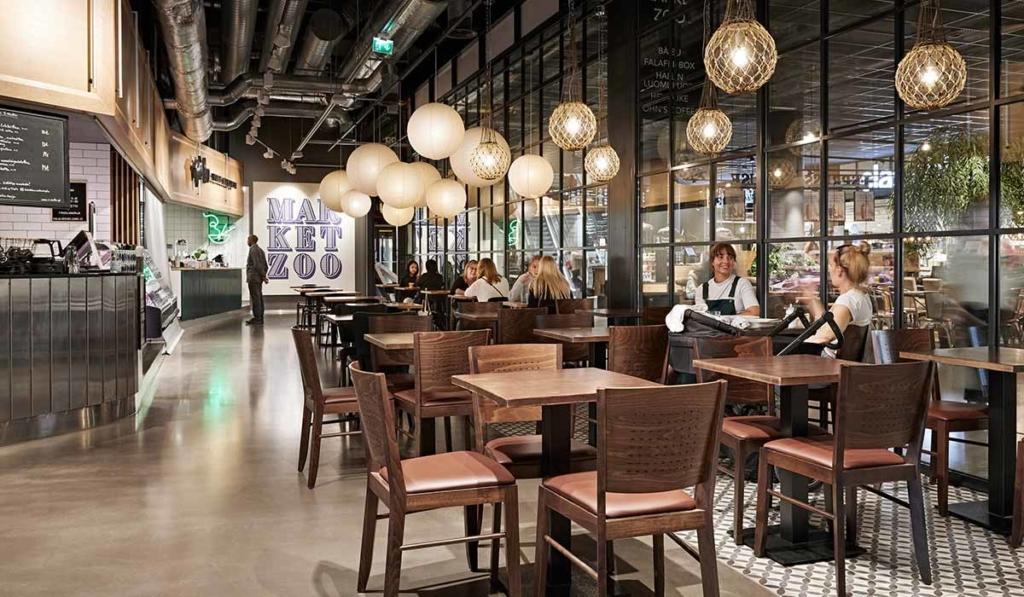
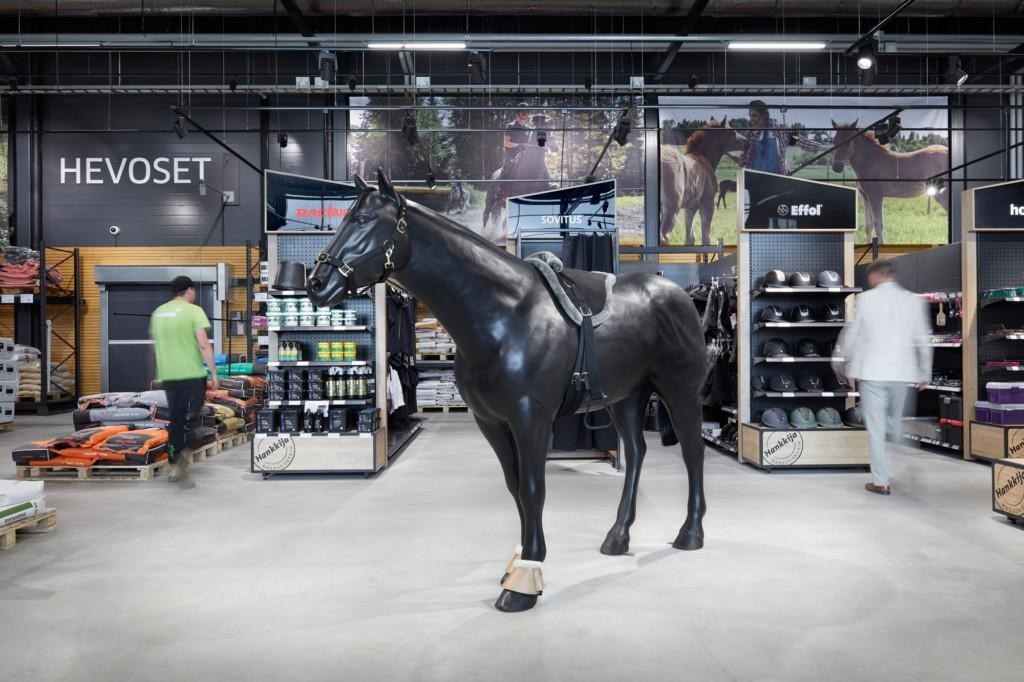
In spatial solutions, such as retail and restaurant environments, the importance of concept design is emphasized. A skilled designer masters the interaction between tones and forms, the dialogue of materials, and abstract collages conveyed in space. This creates spaces that support both customer experience and business objectives.
Successful concept design is never finished but evolves continuously. Markets change, technologies develop, and customer expectations grow. The best concepts are flexible enough to adapt to new opportunities and challenges.
Concept design principles can be applied in many types of environments from hotels to offices and from shopping centers to restaurants. Each environment requires its own approach, but the basic principles work in all contexts. By understanding concept design principles, you can create sustainable commercial success regardless of your industry.

________________________________
Does your property need development? Please feel free to contact us regardless of your project size, and we’ll think together about the best solution for your specific needs!